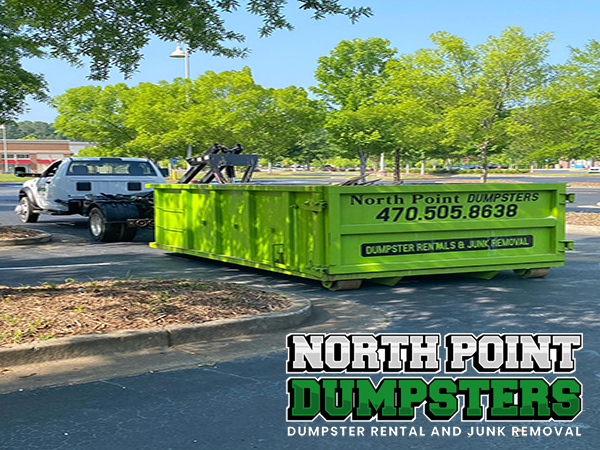
Determining the best dumpster size is essential for ensuring a smooth and efficient cleanup process. Whether you’re clearing out a home, managing a construction site, or handling a business renovation, having a dumpster that fits your needs helps keep everything organized and efficient. A container that’s too small can lead to overflow and extra trips. Oversizing your dumpster could mean wasted space and inefficiency. The key is selecting a dumpster that suits both your debris type and volume.
At North Point Dumpsters, we understand how confusing it can be to estimate the right container size for your specific needs. Many customers aren’t sure where to start or what factors to consider when making their choice. We guide you through the process by examining your specific project details, including debris type and estimated timeline. By understanding these details, you can choose a dumpster that streamlines your workflow and minimizes delays.
Assessing the Type of Project You’re Working On
Each project produces different kinds and quantities of debris. Smaller cleanouts usually generate lighter clutter, whereas remodels bring bulkier and heavier materials. Knowing what kind of work you’re doing is key to determining the best dumpster for the job. Think about the approximate weight and total amount of debris you’ll be discarding. Lighter but voluminous waste consumes more space, while heavy items occupy less area but add more weight.
Look at the area of your job site or home where the project will occur. If you’re working on a small renovation or garage cleanup, a compact container that fits your driveway might suffice. Larger renovation or outdoor projects typically need a bigger dumpster that can handle higher volumes of waste. Evaluating the scale and intensity of your project ensures that you select a dumpster that accommodates your workload efficiently without unnecessary hassle.
How to Gauge the Amount of Waste Your Project Will Produce
Determining your overall waste volume is essential to selecting the correct container. You don’t need an exact figure, but an informed estimate will guide your decision. Start by visualizing how much material will be discarded and how it might stack up inside a container. For instance, if you’re tackling a major home renovation, consider the old fixtures, flooring, cabinetry, and general debris that will be removed during the process.
When handling big projects, it’s wise to inspect the area and list what will be thrown away. Furniture, boxes, yard debris, and construction scraps can add up faster than expected. Remember that compacting materials or breaking them down before placing them in the dumpster can help maximize space. Allowing some extra margin ensures you won’t need a second dumpster during your project.
Understanding Material Type and Weight for Smarter Dumpster Selection
Every type of waste affects dumpster capacity differently. Heavy debris, such as roofing shingles, bricks, or concrete, requires a container that can safely handle the load. Loading too much heavy debris can go beyond the dumpster’s capacity and pose risks during transport. Selecting a container that accommodates both weight and volume is vital for safe disposal. Understanding the type of waste you’ll produce will help ensure your project runs smoothly from start to finish.
Lighter materials like household goods, yard waste, or general clutter typically require more space but pose less concern for weight restrictions. By separating materials by type when possible, you can optimize how the dumpster is filled and minimize the risk of overloading. We provide clear guidance on how to load and distribute materials efficiently, helping customers avoid potential issues and maintain a safe and productive cleanup environment.
Assessing Where to Position Your Dumpster Efficiently
Prior to confirming your dumpster order, it’s crucial to determine the right placement area. Driveways, construction zones, or designated loading areas all have different space considerations. Make sure there’s adequate room for safe delivery and retrieval. Be mindful of accessibility for vehicles and job site equipment, to avoid interruptions in your work process. Good spatial preparation keeps your work environment organized and efficient.
You should always prepare the placement surface beforehand. Solid and even ground such as concrete or compacted soil works well, as it provides stability and minimizes damage. Stay away from soft or sloped areas that can cause shifting or imbalance. We make sure each container is placed securely and conveniently, so you can stay confident during your project.
Factoring in Project Duration and Timing
You’ll also need to think about the timeline of your project when selecting a dumpster. Short-term cleanups might only need a container for a few days, while ongoing renovations could require extended use. The longer your project continues, the more waste you’ll likely accumulate. Knowing your duration helps decide if you’ll benefit from one larger rental or several smaller ones. This prevents interruptions and keeps your workspace organized from start to get more info finish.
Proper timing is key to an efficient cleanup. Scheduling your dumpster delivery to coincide with key phases of your project ensures debris can be removed as work progresses. Doing so prevents pileups, promotes safety, and supports ongoing productivity. We offer flexible scheduling to accommodate changing project timelines, so you can stay focused on your tasks while we handle the timing.
What to Watch Out for When Selecting a Dumpster
Underestimating debris volume is among the biggest mistakes in dumpster rental. It’s easy to think a smaller container will suffice, only to find out halfway through the job that you’ve run out of space. Stacking debris over the rim is unsafe and often results in extra hauls. Prevent this by estimating generously. It’s smarter to have extra capacity than risk running out of room.
Many renters overlook the kind of materials they’re throwing away. Improperly mixing dense and light debris can cause loading challenges. Some materials need specific disposal methods or pre-approval. Our team provides detailed direction on acceptable materials, helping you avoid extra expenses and unnecessary delays.
Seeking Professional Guidance for Dumpster Selection
Even with careful planning, estimating the right dumpster size can be challenging if you’re not used to managing large projects. In such cases, professional guidance proves essential. Working with specialists gives you informed recommendations that match your situation. They can assess your situation and recommend the ideal size to fit your goals. This kind of support helps prevent mistakes and keeps your project on track.
We’re dedicated to giving every customer clear, attentive support during the entire rental process. From the moment you call to the final pickup, their priority is to make your experience efficient, transparent, and stress-free. By partnering with knowledgeable professionals, you can feel confident that you’ve chosen the best possible dumpster for your project’s needs, helping you maintain a clean, efficient, and stress-free project area.
Selecting the Ideal Dumpster for an Organized and Productive Project
Estimating the right dumpster size is a crucial step in maintaining an organized and cost-effective project. Assessing your debris type, project scale, and waste volume helps you find the perfect fit. Smart preparation prevents overfilling, delays, and the need for extra rentals. A well-chosen dumpster simplifies cleanup, enhances safety, and keeps your work site efficient from start to finish.
North Point Dumpsters focuses on helping every customer choose the most suitable dumpster for their specific project. We provide professional support, adaptable services, and a strong dedication to satisfaction for a seamless rental process. From renovations to cleanouts, working with our professionals helps keep your project efficient and well-managed.